Combatting fake news requires more than skepticism, it requires a methodology. OSINT verifies media claims by examining source credibility, cross-checking imagery, analyzing metadata, and mapping narrative flows. Techniques include reverse-image search, tweet-thread timeline mapping, and assessing account histories.
Fake news can spread across the internet in seconds, sometimes faster than the truth can catch up. In conflict zones, during elections, or in public health emergencies, false media can cause real-world harm. How can analysts verify what they’re seeing, and help others trust the truth?
Regularly debunked stories, like deepfake videos or manipulated maps, can serve as case studies. Teaching the public a 3 to 5 step verification process strengthens both critical thinking and credibility.
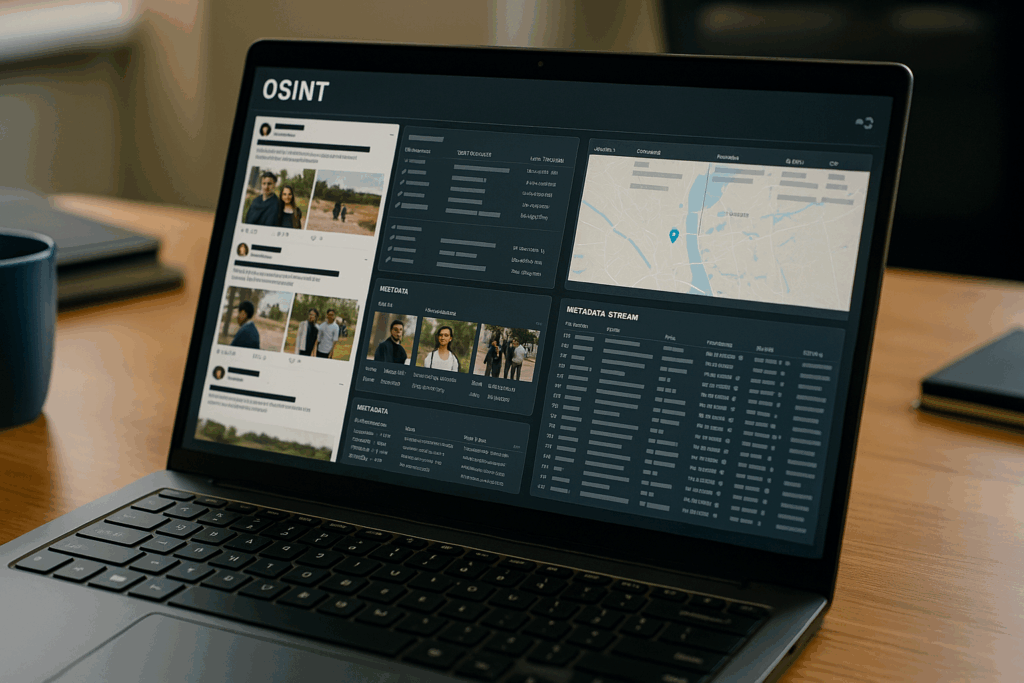
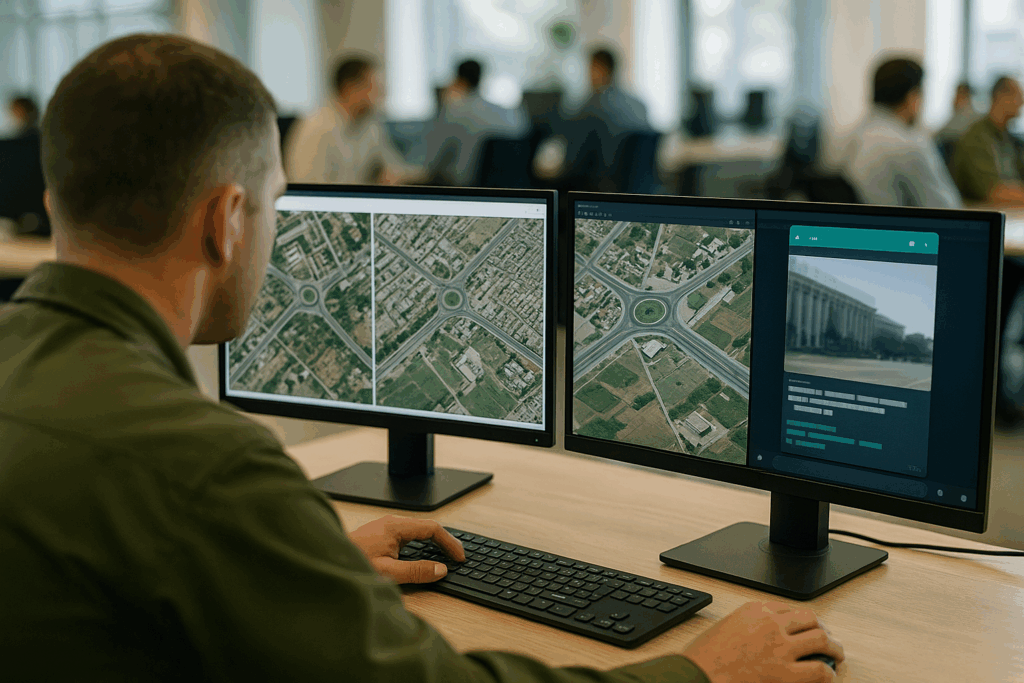
Verifying Images and Videos, starts with reverse image search engines such as Google, Yandex, and TinEye. These tools help reveal whether a photo has appeared online before, and in what context. Investigators also use browser plugins like InVID to break videos into keyframes and examine them for inconsistencies, such as shadows, weather, or locations that don’t match the claimed scene. In some cases, even metadata embedded in the file can help determine when or where the media was taken.
Network Analysis and Bot Detection, is another critical angle in combating disinformation involves tracking how content spreads. Are hundreds of accounts posting the same tweet at the same second? Do profile pictures repeat? Tools like Hoaxy (https://hoaxy.iuni.iu.edu/), TruthNest, and TweetBeaver help OSINT analysts map how narratives move and whether automated behavior (bots) are behind the push. Bellingcat has published in-depth tutorials on how to detect bot amplification and cross-platform disinfo campaigns.
Real-World Impact, disinformation isn’t just about rumors. During the Syrian war, false footage was used to sway global opinion. In the COVID-19 pandemic, misleading images of empty hospitals fueled conspiracy theories. OSINT has helped debunk claims before they went viral, and provided factual evidence when major institutions failed to do so.
In an age where seeing is no longer believing, the skills to verify, trace, and debunk media are essential. OSINT gives the public and professionals the power to spot misinformation and expose those who deliberately distort the truth. Isn’t that what trust in information should be about?
- InVID Toolkit: https://www.invid-project.eu/tools-and-services/invid-verification-plugin/
- Hoaxy: https://hoaxy.iuni.iu.edu/
- Bellingcat Verification Guides: https://www.bellingcat.com/resources/how-tos/
- Liferaft Labs blog list (WIRED, liferaftlabs.com)